Adelia Rehan: The Heart-Connected Script Font
Understanding the Visual Appeal of Adelia Rehan
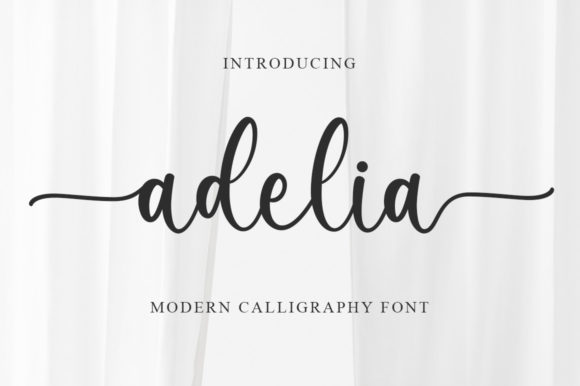
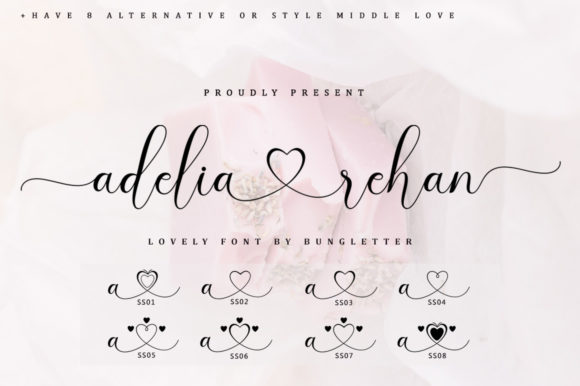
When you first encounter Adelia Rehan, you immediately notice its fluidity and elegance. It isn’t just another script font; it is a carefully crafted typeface that balances modern calligraphy with a distinct sense of connection. The defining feature here is the baseline connection—often referred to as the "heart" of the script. Unlike many handwritten fonts that merely join letters at the baseline, Adelia Rehan creates a seamless flow that feels organic and intentional. It brings a luxurious vibe to any project without feeling stuffy or outdated.
From a designer's perspective, the visual characteristics of this font are quite specific. The letterforms feature high-contrast strokes that mimic the pressure of a real brush or pen. This gives the text a dynamic, living quality. If you look closely, you will see the subtle variations in line weight that define premium font design. It avoids the jagged edges that plague lower-quality script fonts, ensuring that even at larger scales, the curves remain smooth and professional. This makes it a fantastic choice for logo design where scalability is crucial.
Where Adelia Rehan Fits Best
One of the biggest challenges in modern typography is finding a font that translates well across different mediums. Adelia Rehan performs admirably here, but knowing where to deploy it is key to success. It shines brightest in contexts where you want to convey personality, warmth, and a touch of sophistication.
For brand identity, particularly for lifestyle brands, wedding planners, or boutique shops, this font acts as a visual signature. It works exceptionally well for:
- Packaging Design: Imagine a coffee bag or a skincare label. Adelia Rehan can highlight the product name or a specific flavor note, adding a handcrafted feel to the shelf.
- Social Media Graphics: On platforms like Instagram or Pinterest, where visual competition is fierce, a creative font like this helps stop the scroll. It is perfect for quotes, sale announcements, or headers that need to grab attention instantly.
- Editorial Design: While you wouldn't use it for body text, it is excellent for pull quotes or article titles in magazines and blogs. It adds a human touch to digital web design and print layouts alike.
However, it is vital to understand its limitations. As a display font, Adelia Rehan is meant for headlines and accents. Attempting to use it for long paragraphs of text will result in poor readability. The decorative nature of the ligatures, while beautiful, can cause eye strain if overused in dense copy.
The Impact on Brand Perception and Hierarchy
Typography is rarely just about aesthetics; it is about psychology. The font you choose tells your audience how to feel about your brand before they even read the words. Adelia Rehan carries a personality that is approachable yet upscale. It suggests that the creator cares about details and values quality.
When you incorporate this typeface into your marketing materials, you are influencing visual hierarchy. By pairing Adelia Rehan with a clean sans serif font or a sturdy serif font, you create a natural contrast. The script font draws the eye to the most important information—usually the headline or the call to action—while the secondary font provides the necessary stability for reading. This contrast is the foundation of effective editorial design and advertising layout.
Consistency is another factor. Because Adelia Rehan is PUA encoded, you have access to a vast library of glyphs and ligatures. This means you aren't stuck with the same standard letter connections. You can swap out a "th" or a "st" combination to create a more custom look for specific words. This ability to customize helps in maintaining a unique brand voice across different campaigns, ensuring your brand identity remains distinct and recognizable.
Practical Guide to Using This Typeface
Before you finalize a design using Adelia Rehan, there are a few practical steps you should take to ensure it fits your project's needs. As someone who has worked with hundreds of design assets, I can tell you that the "test phase" is non-negotiable.
First, evaluate the font pairing. Open your design software and place Adelia Rehan next to your primary text font. Does the x-height complement the other typeface? Usually, a script font looks best when paired with a neutral geometric sans serif. Avoid pairing it with another decorative handwritten font, as this will create visual chaos.
Second, check the licensing. Since this is a commercial font, you need to verify that your usage rights cover your specific application. If you are using it for a client's logo, ensure the license allows for logo design usage. If you are a small business owner creating merchandise to sell, such as t-shirts or mugs, confirm that the license covers physical end-products.
Finally, play with the alternates. Accessing the special characters is usually as simple as using the Glyphs panel in Adobe Illustrator or Photoshop. Don't just type out the word and accept the default look. Experiment with different endings for your capital letters or decorative swashes. This is where the "heart-connected" nature of the font truly comes to life, allowing you to tailor the text to the specific shape of your layout.
Ultimately, Adelia Rehan is a tool for storytelling. Whether you are a blogger trying to make your headers pop, or a marketer designing a high-converting landing page, this font provides the flair needed to bridge the gap between digital precision and human emotion. Use it wisely, and it will elevate your work from functional to memorable.