Discovering Oldfine: A Font with Timeless Character
There's a particular quality in a handwritten script that feels both personal and polished. It’s the difference between a quick note and a carefully composed letter. Oldfine, the new typeface from Roomspace Creative Lab, sits firmly in that second category. It’s a premium font that captures the fluidity of a skilled hand without sacrificing the consistency needed for professional design work. If you’ve ever struggled to find a script font that feels authentic yet refined, Oldfine might be the asset your toolkit has been missing.
More Than Just a Pretty Script
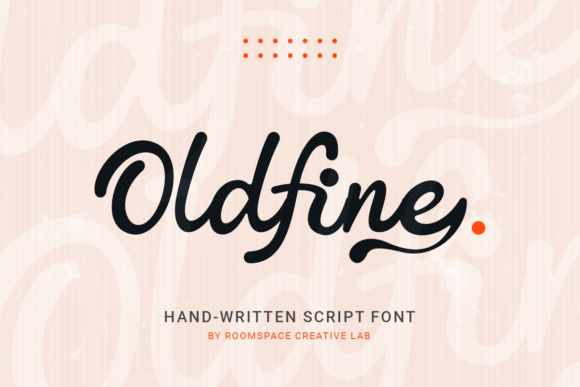
At first glance, Oldfine is undeniably elegant. Its letterforms are crafted with a natural, flowing rhythm that suggests a confident calligrapher’s touch. But look closer, and you’ll notice the meticulous attention to detail. The connections between letters are smooth, the stroke weights vary with intention, and the overall texture is clean and highly legible. This isn’t a casual, messy handwritten font; it’s a sophisticated display font designed for impact and clarity. Its personality is one of approachable elegance—charming and full of character, yet never overly casual or difficult to read.
This balance makes Oldfine incredibly versatile. It carries the warmth of a human touch, which is invaluable for projects that need to connect on a personal level. Yet, its structure is solid enough to function as a reliable component in a broader brand identity system. Think of it as the script font equivalent of a well-tailored jacket: appropriate for both a creative gathering and a more formal occasion.
Where Oldfine Truly Shines: Practical Applications
Understanding a font’s strengths helps you deploy it effectively. Oldfine’s blend of personality and professionalism opens it up to a wide array of projects. Here’s where it tends to make the most significant impact.
- Branding and Logo Design: For businesses that want to project authenticity, craftsmanship, or a personal touch—like boutique studios, artisan bakeries, lifestyle brands, or coaching services—Oldfine can become the cornerstone of a visual identity. It works beautifully as a primary logotype or as a complementary script in a secondary lockup, adding a signature feel that stands out from more sterile sans serif fonts.
- Editorial and Publishing Design: In the world of magazines, book covers, and blog graphics, a strong display font grabs attention. Oldfine is perfect for headlines, pull quotes, and chapter titles. It injects immediate personality into a layout, making a page feel more curated and engaging. Paired with a clean serif or sans serif for body text, it creates a dynamic and readable hierarchy.
- Packaging and Product Design: On packaging, typography sells. Oldfine can elevate a product label, making it feel artisanal and premium. Imagine it on a candle box, a skincare bottle, or a gourmet food label. Its script style communicates care and quality, suggesting a story behind the product.
- Event Stationery and Invitations: This is a natural home for a font like Oldfine. Wedding invitations, save-the-dates, and event posters benefit immensely from its elegant and celebratory vibe. It sets a tone of sophistication and special occasion before a single word is fully read.
- Digital and Social Media: In the fast-scrolling world of social media, distinctiveness is key. Oldfine is a fantastic creative font for Instagram graphics, Pinterest pins, and YouTube thumbnails. It helps content stand out in a crowded feed and reinforces a brand’s aesthetic consistency across digital platforms.
The Strategic Impact of Choosing the Right Script
Selecting a font like Oldfine is more than an aesthetic decision; it’s a strategic one that influences how your audience perceives and interacts with your work. A well-chosen typeface directly affects brand perception. The elegance of Oldfine suggests a brand that values quality, attention to detail, and personal connection. This can build trust and recognition far more effectively than generic typography.
It also plays a critical role in visual hierarchy. When used as a headline or accent font, Oldfine naturally draws the eye, creating a clear entry point for the viewer. This guides the audience through your content, whether on a webpage, a brochure, or a social media post. The key is using it strategically; not every piece of text should be in script. Its power lies in contrast—paired with a simple, highly readable serif font like Garamond or a clean sans serif like Proxima Nova for body copy, Oldfine creates a compelling and professional layout.
A Practical Guide to Working with Oldfine
Ready to put Oldfine to work? Here are a few practical considerations to ensure it’s the right fit and that you use it effectively.
- Evaluate the Project’s Tone: Does your project call for warmth, elegance, or a personal narrative? Oldfine excels here. For projects requiring a more neutral, corporate, or ultra-modern feel, a geometric sans serif might be more appropriate. Always start with the message you need to convey.
- Test for Readability: While Oldfine is designed for clarity, always test it at the size you intend to use it. It’s primarily a display font, meaning it’s crafted for larger text like headlines. For small body copy or lengthy paragraphs, a more traditional serif or sans serif typeface will ensure comfortable reading. Check its legibility on both screen and print proofs.
- Explore Font Pairings: The best way to leverage a creative font like Oldfine is to pair it. Spend time testing it alongside other fonts in your design software. Does it harmonize with your chosen body font? Does it create the right level of contrast? A good pairing feels balanced, not chaotic.
- Review the Included Styles: A professional font family often includes more than the base style. Check if Oldfine comes with alternate characters, ligatures, or swashes. These extras can provide design flexibility, allowing you to customize the look for specific projects, like creating a unique monogram or a more decorative headline.
- Understand the License: If you’re using Oldfine for commercial work—a client’s logo, a product you sell, or marketing materials for your business—ensure you have the correct commercial font license. Review the terms provided by Roomspace Creative Lab to understand the scope of use. This is a non-negotiable step for any professional project.
Ultimately, Oldfine is a tool for adding a layer of human elegance to your designs. It’s a typeface that doesn’t just display words; it imparts a feeling. By understanding its character and applying it thoughtfully, you can create work that feels both personal and professionally crafted, resonating deeply with your intended audience.