Tail: The Script Calligraphy Font with Elegant Swashes
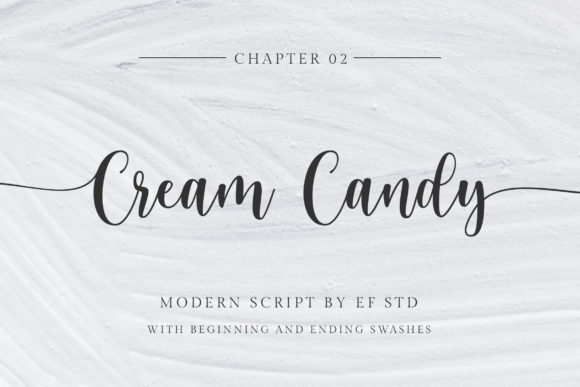
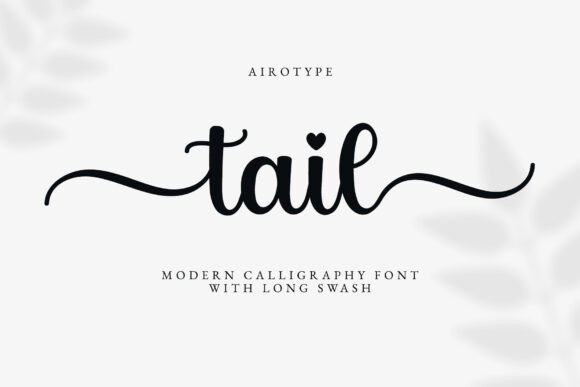
When you're working on a project that demands a touch of romance, sophistication, or handcrafted warmth, the choice of typeface becomes a critical design decision. You need something that feels personal yet polished, expressive yet readable. This is where a well-crafted script font like Tail enters the conversation. Tail is a modern calligraphy typeface designed to capture the fluid beauty of hand-lettered script. Its defining feature is the delicate tail swashes that extend from the beginning and end of its letterforms, giving each word a sense of movement and graceful finality. It’s a font that doesn’t just display text; it performs it.
Visual Personality and Stylistic Strengths
Tail’s visual personality is rooted in its elegant, flowing connections and consistent stroke weight. Unlike overly ornate or hard-to-read calligraphy fonts, Tail strikes a balance. It maintains a modern, clean aesthetic while still feeling authentically hand-drawn. The swashes are thoughtfully designed—they add flair without becoming distracting or compromising legibility. This makes it a versatile premium font choice. As a display font, its primary role is to capture attention and convey a specific mood. Think of it as the typographic equivalent of a beautiful signature on a love letter or the elegant cursive on a high-end wedding invitation. Its charm lies in its ability to feel both intimate and upscale.
This creative font works exceptionally well for projects where emotion and aesthetic are paramount. In wedding invitations, it sets a romantic and timeless tone. For brand identity work—particularly for boutiques, florists, bakeries, or lifestyle brands—it injects a sense of artisanal quality and care. On social media graphics, a heading set in Tail can instantly elevate a post, making it feel more curated and professional. It’s also a fantastic asset for packaging design, adding a luxurious, personal touch to product labels, boxes, and tags. Essentially, whenever you want your design to feel more human, more special, and more intentionally crafted, Tail is a typeface to consider.
Practical Applications: From Digital to Physical
The utility of a font like Tail extends far beyond digital screens. Its clean lines and clear character forms ensure it reproduces beautifully in print, making it a reliable design asset for physical products. For entrepreneurs and crafters, it’s a workhorse. Imagine it on t-shirt designs for a boutique clothing line, adding a stylish script element. Consider it for sublimation projects on mugs, pillows, or tote bags, where the flowing script can become a central decorative element. In the realm of farmhouse décor, Tail’s modern yet rustic charm fits perfectly on signs, wall art, and throw pillows, blending seamlessly with contemporary and traditional aesthetics.
For editorial design and publishing, Tail can be used strategically. It’s perfect for chapter titles, pull quotes, or special feature headers in magazines, blogs, or books that aim for an elegant, lifestyle-oriented tone. In web design, while it’s not suited for body copy due to its decorative nature, it can be a stunning choice for hero section headings, banner text, or call-to-action buttons where a touch of personality is needed. The key is to use it with intention, leveraging its strengths to guide the viewer’s eye and evoke the right emotional response. It’s a modern typography choice that bridges the gap between classic calligraphy and contemporary design needs.
Making the Most of Tail in Your Projects
Integrating a new typeface into your workflow requires some practical consideration. First, always test the font within the context of your specific project. Pair Tail with a clean, neutral sans serif font or a sturdy serif font for body text. This font pairing creates a necessary contrast, ensuring your headlines in Tail pop while your paragraphs remain highly readable. Avoid pairing it with another ornate handwritten font, as this can create visual clutter and diminish the impact of both.
Evaluate the included styles and glyphs. Many quality script fonts like Tail come with alternate characters, ligatures, and additional swashes. Exploring these in your design software (like Adobe Illustrator, Photoshop, or even Canva) can help you customize words and avoid repetitive letter shapes, making your typography look even more authentic. Always consider readability, especially at smaller sizes. Test how it looks on both light and dark backgrounds. For commercial projects, verify the licensing terms. Understanding whether it’s a commercial font suitable for client work, merchandise, and digital products is essential for professional use.
Ultimately, Tail is more than just a collection of letters. It’s a tool for storytelling. It allows designers, marketers, and creators to infuse their work with a specific feeling—elegance, love, and beauty. By understanding its character and applying it thoughtfully, you can leverage this typeface to build stronger visual hierarchies, enhance brand perception, and create more engaging, memorable designs that truly resonate with your audience.